
We’ve hit this weird point in history where every single thing in your house wants to be a computer. The TV has an OS that constantly wants updates. Your fridge tries to “connect” to Wi-Fi like it’s going to join Zoom calls. Washing machines come with touchscreens instead of sturdy dials that worked fine for decades. It’s insane. Just because tech companies can slap a motherboard into an appliance doesn’t mean they should.
Sometimes, we just need things that do their job — well, simply, and for a long time. Not everything needs to be “smart.” Some things should just be strong.
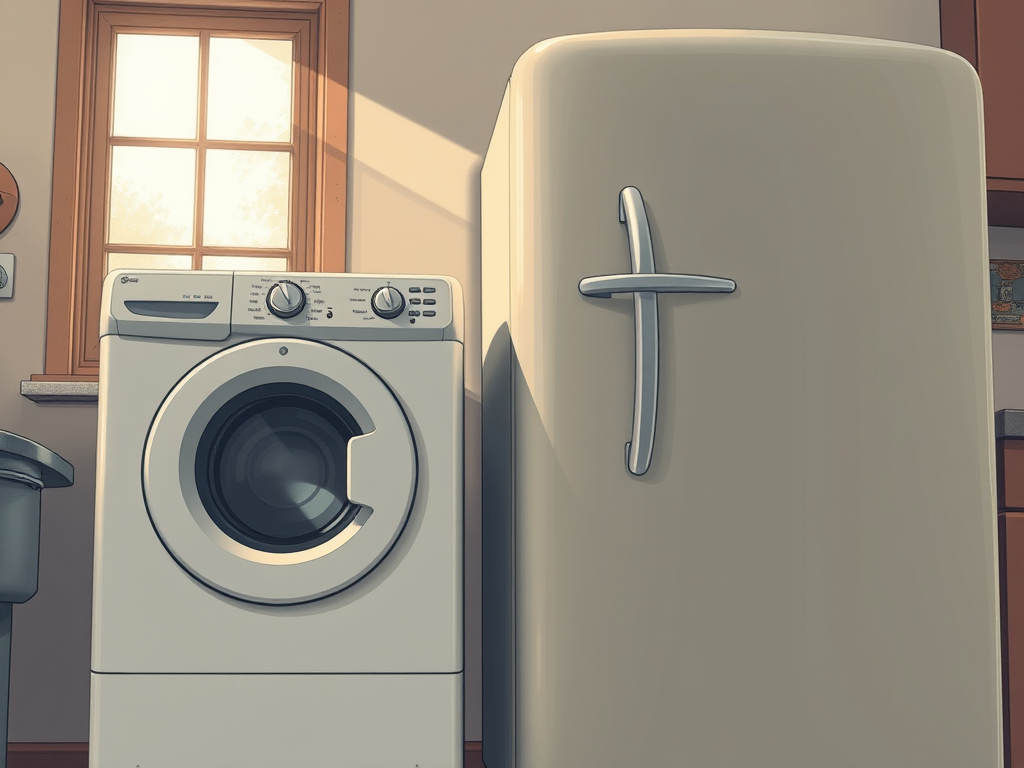
Remember when a refrigerator could run for 20+ years without complaint? Or when a washing machine didn’t die the second the warranty expired? The more complicated and software-driven these things get, the shorter their lifespan becomes. And the more we throw away, the worse it is for the planet. Sustainability isn’t just solar panels and electric cars. It’s buying stuff that doesn’t end up in a landfill every 5 years.
If we power-shop smarter — meaning we look for quality and durability instead of bells and whistles — we not only save money long-term but also cut down on waste. You don’t need the fanciest, most “connected” option. You need the one that won’t die when the company decides to stop pushing firmware updates.
Here’s the thing: we’ve been sold the lie that only “experts” can fix or maintain the stuff we own. But learning some basic building, repair, and maintenance skills is insanely empowering. You don’t need to be an engineer to replace a belt in a dryer, sharpen your lawnmower blades, or swap out a power switch on a lamp. YouTube and forums are your best friends here. Start small. Fix something minor, gain confidence, move up from there.
And if you like building from scratch? Even better. Furniture, tools, gear — building your own stuff gives you a relationship with it. You’ll take care of it. You’ll make it last. That’s sustainability too.
The right-to-repair movement matters because companies make things harder to fix on purpose. Proprietary screws, locked-down diagnostics, software you can’t access — it’s all designed to funnel you back into their ecosystem where you’ll spend more. Supporting right-to-repair laws and businesses that respect repairability is a way of voting with your wallet.
Getting started is as simple as:
- Buying repairable products (check sites like iFixit before buying).
- Keeping a basic tool kit at home.
- Taking the “void your warranty” sticker as a challenge, not a threat.
- The trap is thinking cheaper is better. A $400 washing machine that dies in 3 years is more expensive than a $900 one that runs for 15. Quality has value, and shopping with that mindset is key. It’s not about being flashy. It’s about intentionally finding well-made stuff, paying a fair price, and refusing to buy junk that will break before you finish paying it off.
The bottom line? Stop letting companies sell you on “smarter.” Your TV doesn’t need to run Android. Your fridge doesn’t need Twitter. Your washing machine doesn’t need an app. What we actually need are things built with durability in mind, things we can maintain ourselves, and things that don’t turn into trash the minute the software support dries up.
Strong. Simple. Repairable. That’s the future worth fighting for.
Leave a Reply